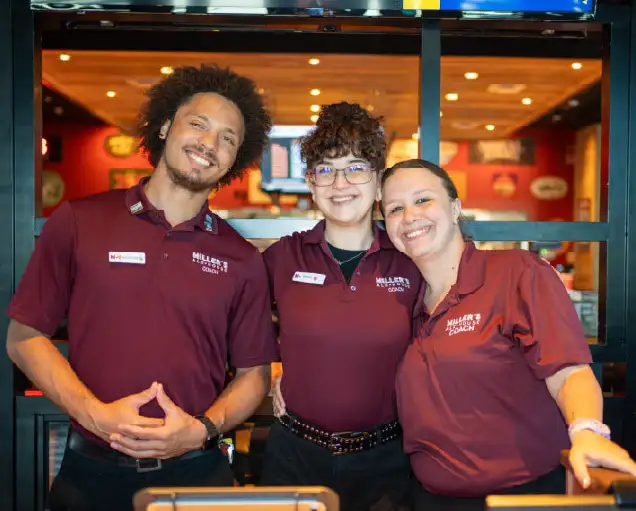
How Miller’s Ale House Catches Labor Problems Before the Schedule Goes Live

With Schedule Score in HotSchedules by Fourth, 600 managers across 112 restaurants can see how strong a schedule is, and why, while changes are still easy.


At a glance

  • 112 restaurants in 10 states, with about 5,400 employees
  • 600 managers building and publishing schedules
  • Worst weekly labor overage cut by roughly half
  • About a quarter of scored schedules flagged for overtime risk before posting

Overview

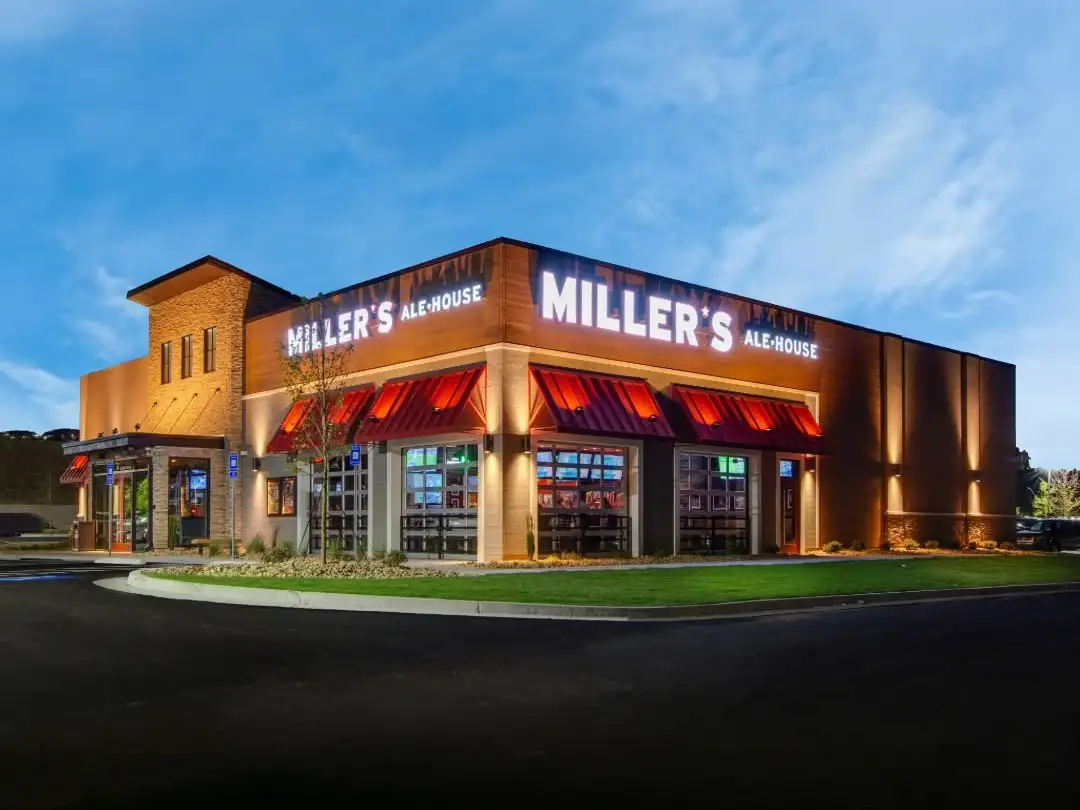
Miller’s Ale House opened its first restaurant in Jupiter, Florida in 1988. Nearly four decades later the company is still a neighborhood gathering place where people come together over generous portions and a table that’s always ready for one more.

Today Miller’s runs 112 restaurants across 10 states and employs roughly 5,400 people. The company manages labor weekly rather than quarterly, and 600 managers across the estate build and publish the schedules that decide how each restaurant runs on a given night.

Miller’s has run scheduling on HotSchedules – for years- What it added was Schedule Score, which answers a question managers couldn’t answer before publishing: How good is this schedule, and how likely is it to hold up when Saturday arrives?


Challenge: One Number, and No Way to Get Underneath It

Garrett Wyble, Manager of Operations Business Intelligence at Miller’s Ale House, came up through restaurant operations and now leads technology rollouts across all 112 restaurants.

Miller’s had already built its own way of holding managers to a labor standard. Every schedule was expected to be published on time, accurate, and built against the forecast, and Garrett’s team sent leaders a consolidated report each morning with labor variance for the week ahead.

The report gave them a total but no insights. It could say a restaurant was 55 hours over for the coming week. It could not say which shifts, job codes, or people accounted for those hours. A director raised the number, a general manager went looking for the cause, and the manager who wrote the schedule was often the last one to find out it was off.

The second challenge was structural. The standard lost strength as it moved down the chain.

We’re constantly passing this information down. It goes from a vice president to a director, the director gets it to the GM, and the GM is coaching their assistant managers. You lose some context along the way. You lose some passion along the way.

— Garrett Wyble, Manager of Operations Business Intelligence

Solution: One Score Everyone in the Chain Can Read

Schedule Score lives inside HotSchedules Scheduler, so there’s no new tool and no extra login. As managers build or edit a schedule, it grades a schedule wth a single number based on:

  • how closely scheduled hours track the forecast
  • whether anyone is scheduled outside their availability
  • whether the schedule will push anyone into overtime

Under the grade is the detail that produced it, so the number and its explanation live on the same screen. The manager who builds the schedule and the director who reviews it read the same thing.

“We rolled it out as a tool for the GMs. If you’re trying to hold your managers accountable to these numbers, here’s your one-stop shop. You can look at each schedule and say, here’s where you need to make tweaks.”

For managers who already schedule well, the score works as confirmation rather than correction.

“Even if you excel at it, it’s nice to see that my score is still on track. Or, hey, we’re slipping a bit. We used to be in the nineties and now we’re mid-eighties. Okay, what do we need to do to fix our schedule?”


The Results


Worst-case overages cut in half.

The worst-performing restaurant in a given week used to run several hundred hours over forecast. That worst weekly overage has since dropped by roughly half.

Adoption in every restaurant.

In the first six months, all 600 managers across all 112 locations used Schedule Score. About a quarter of scored schedules were flagged for overtime while there was still time to change them.

A shared language for coaching.

Executives, directors, GMs, and assistant managers now work from one score and one explanation.

“Our report can tell them this store is over by 55 hours, and that’s the extent of it. You can’t dig in on that. That’s where Schedule Score comes in. You can go see exactly where those 55 hours are, by each schedule or by each employee. That’s the granularity you need.

“I saw it come out in the release notes and messaged right away. What is this? I need it. Everybody was excited. Easy to use, easy to explain. It was a no-brainer, an easy win.”

See how Schedule Score helps multi-unit operators find labor problems while the schedule can still be changed.


HotSchedules logo

Power your business with the best in the business.

See how the power of HotSchedules can simplify staffing and sales for happier teams and guests.