Contents
State of the Industry
Texas’ restaurant industry is booming. The Texas foodservice industry surpassed $100 billion in sales for the first time ever in 2023. Moreover, it became the largest private-sector employer in the state, with over 1.2 million Texans working in restaurants.
Nearly eight in ten restaurants predict their sales will increase or hold steady in 2024. This rapid growth, while exciting, brings new challenges for small- to medium-sized restaurant operators.
Managing HR and payroll administration is particularly complex in an industry with high turnover rates. Recruiting, hiring, and training staff is already difficult, and maintaining employee records, payroll processing, compliance, and benefits administration adds significant overhead.
Offering competitive benefits is essential for attracting and retaining talent, yet negotiating affordable health insurance and benefits packages can be difficult for smaller operators.
Industry Pressures
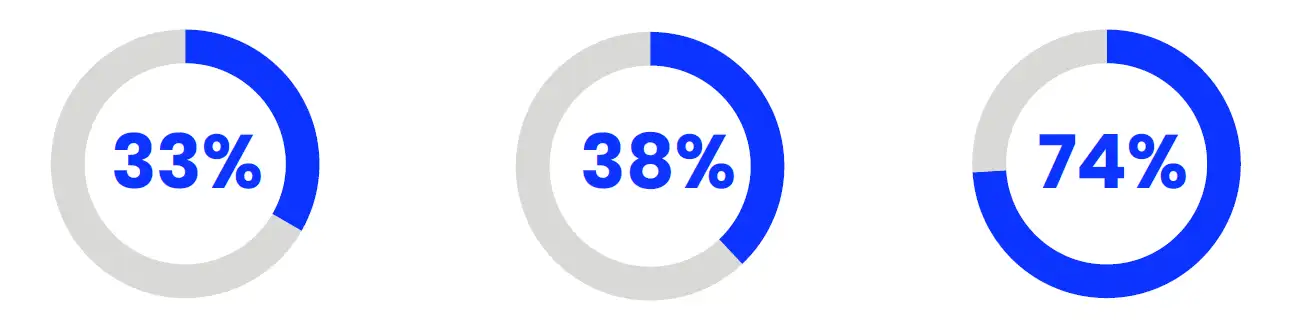
- 33% of employers make regular payroll errors according to the IRS
- 74% average restaurant industry turnover rate in 2023
- 38% of operators say managing labor compliance is becoming more complex
Regulatory Complexity
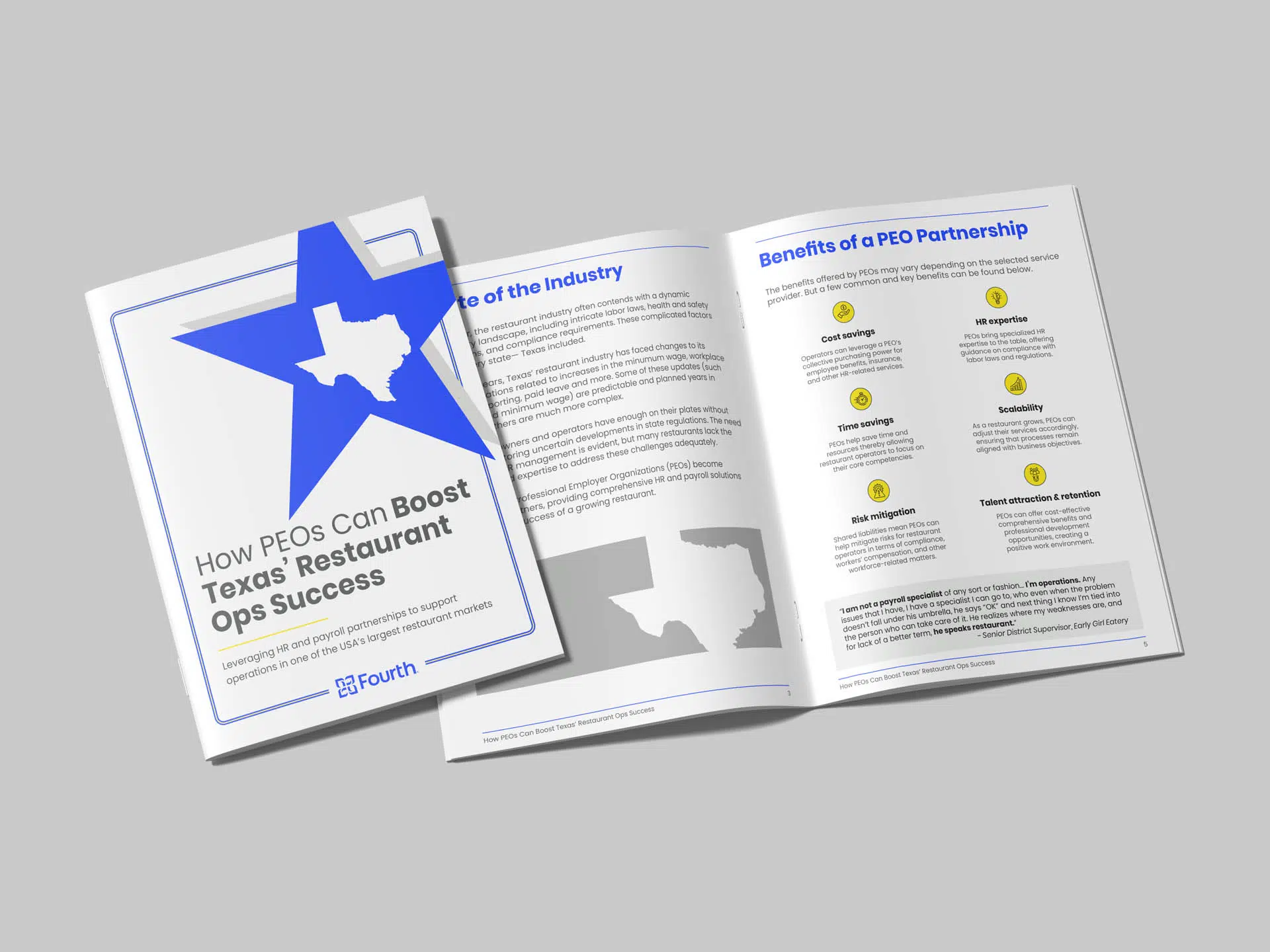
Restaurants operate in a highly regulated environment, navigating labor laws, health and safety regulations, and evolving compliance requirements. Texas restaurants have faced changes related to minimum wage, workplace violence reporting, paid leave, and more.
Some regulatory changes are predictable and planned years in advance, while others are more complex and uncertain. Monitoring these developments can overwhelm restaurant owners who already manage demanding daily operations.
Many restaurants lack the internal expertise and resources needed to manage HR compliance effectively. This is where Professional Employer Organizations (PEOs) become valuable partners.
PEOs Explained
PEOs support HR and payroll functions so restaurant operators can focus on daily operations, growth initiatives, and the guest experience instead of administrative complexity.
Services provided by PEOs may include payroll processing, benefits administration, recruitment, training, compliance management, garnishments, and workers’ compensation.
In a co-employment model, the PEO becomes a co-employer, sharing responsibilities and liabilities while the restaurant maintains control over day-to-day operations.
This model allows operators to access HR expertise without building a full internal HR department and enables economies of scale for benefits through collective purchasing power.
PEO Impact
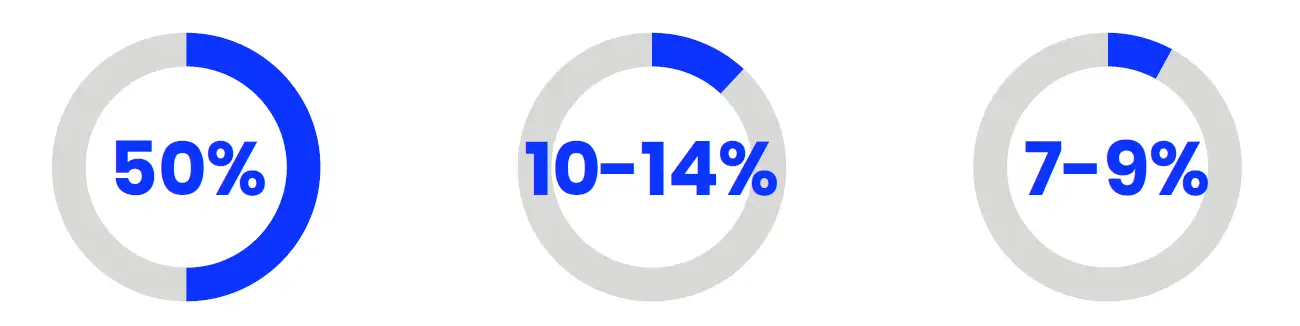
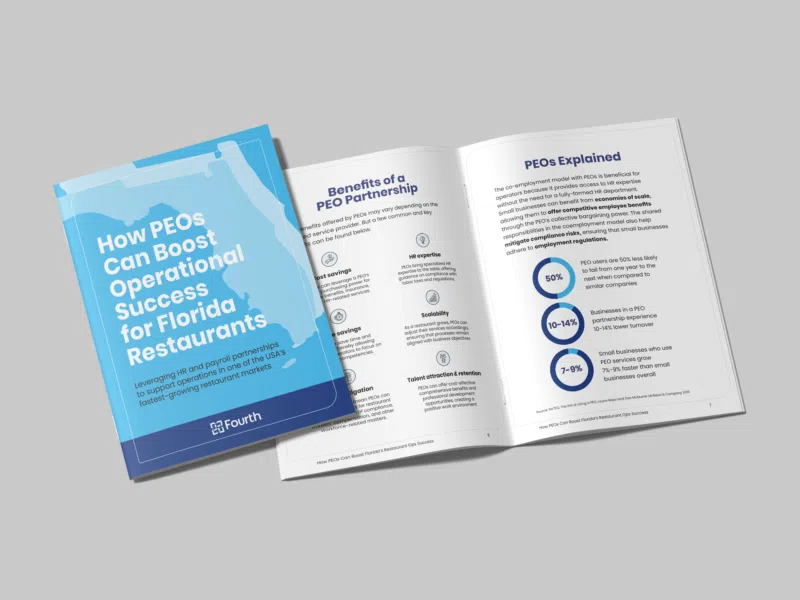
- Businesses using a PEO are 50% less likely to go out of business
- PEO clients experience 10–14% lower employee turnover
- Small businesses using PEOs grow 7–9% faster on average
Benefits of a PEO Partnership
Cost Savings
PEOs leverage collective purchasing power to reduce the cost of benefits, insurance, and HR-related services.
Time Savings
By offloading HR and payroll administration, operators can focus on core business activities.
Risk Mitigation
Shared liabilities help reduce compliance, workers’ compensation, and employment-related risks.
HR Expertise
PEOs provide guidance on labor laws and regulatory compliance, reducing costly mistakes.
Scalability
As restaurants grow, PEO services scale to remain aligned with operational needs.
Talent Attraction & Retention
Competitive benefits and professional development opportunities help create a positive work environment.
“I am not a payroll specialist… I’m operations. Any issues that I have, I have a specialist I can go to… he speaks restaurant.”
Senior District Supervisor, Early Girl Eatery
How the Process Works
PEO partnerships operate through co-employment agreements defined in a Client Service Agreement (CSA). The PEO acts as the administrative employer, managing HR and payroll responsibilities.
PEO Responsibilities
- Managing payroll
- Processing payroll taxes
- Administering employee benefits
- Managing workers’ compensation claims
- Ensuring compliance with employment laws
The restaurant remains the worksite employer, retaining control over hiring, scheduling, promotions, and day-to-day operations. This division of responsibility enables more efficient operations and a stronger focus on growth.
Employee Benefits Advantage
PEO partnerships allow restaurants to offer benefits traditionally available only at larger organizations, such as 401(k) plans, health, dental, life, and dependent care benefits.
The most commonly added benefits among new PEO clients include life insurance, retirement plans, and health coverage.
Conclusion
Texas is a national leader in the restaurant industry, and continued growth brings both opportunity and complexity. PEOs can serve as strategic partners, helping restaurants offload HR and payroll burdens while focusing on culinary excellence, culture, and profitability.
PEO Return on Investment
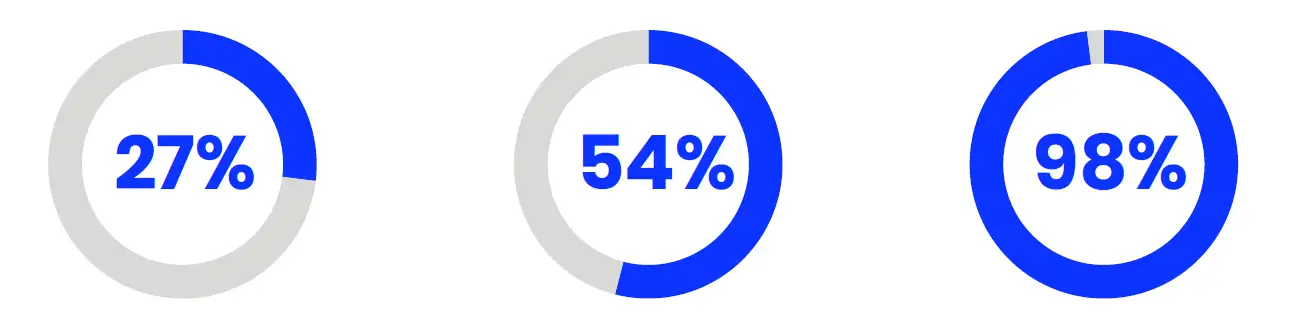
- 27.2% ROI in cost savings alone
- 54% average annual savings on internal HR and benefits salaries
- 98% of PEO clients would recommend a PEO to a small business colleague