Your Guide to Labor Shortages
Templates and recommendations to navigate staffing shortages in hospitality
A tight labor market paired with a 74% turnover rate makes hospitality one of the most difficult industries for hiring. Use these hiring tools and resources to outpace your competition and secure top talent.
The hospitality industry has faced workforce challenges following the COVID-19 pandemic, but the industry is rebounding with new strategies and adaptations. Hourly employees are seeing higher retention since the pandemic, but manager turnover has risen.
This has a direct impact on restaurant revenue. Restaurants with fully staffed management teams earn 3.3% higher sales1, so there will be big incentives to recruit the best applicants in a tight labor market. To win, you need an efficient hiring process that delivers great candidate experience. 46% of applicants who abandon a hiring process do so because of poor hiring experiences.2
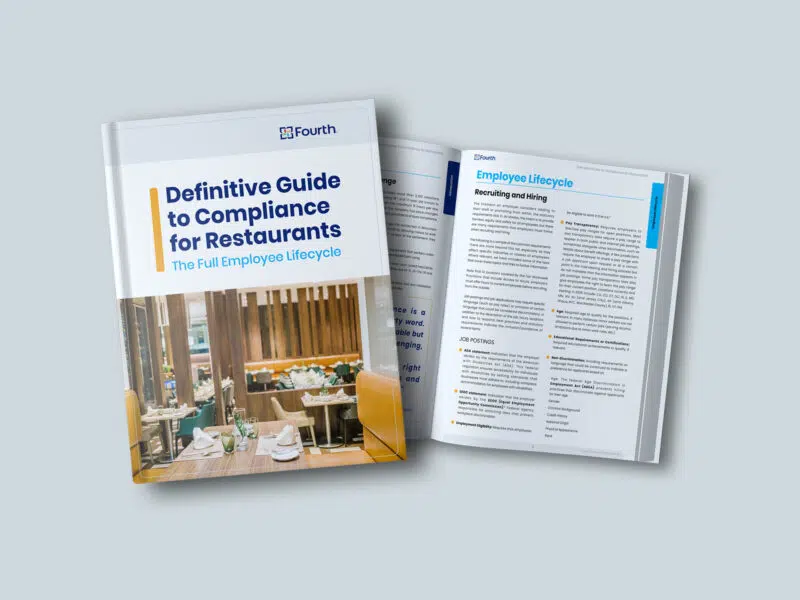
This guide works two-fold with tools to alleviate the administrative burden of managers in the hiring process while providing guidance on how to tackle the challenges that drive manager turnover. With these tools and guidance, you can improve your hiring process while retaining the management staff you already have.
 Finding and retaining staff is one of the biggest challenges in the hospitality industry today. More than half of operators state that recruiting remains their top challenge, according to RestaurantBusinessOnline.com.
Taken together, hiring, retaining, and managing a workforce takes more time and incurs higher costs than it once did. This bottleneck creates a drag on the rest of the business, impacting service speed, customer satisfaction, and operational efficiency.
The labor market is tight and further constrained by factors following in the wake of the COVID-19 pandemic. The business response to the pandemic drove greater participation in remote and gig work positions, which offer more flexibility and competitive wages than hospitality roles.
Hospitality professionals also want more from their employers, including training opportunities, better health benefits, and a clear career path. Persuading workers to return to hospitality has been a slow process.
Competition between restaurants and hotels recruiting from the same limited labor pool further intensifies the challenge. When talent is scarce, success depends on an organization’s ability to attract and retain top performers.
Winning today requires a combined approach: offering the benefits candidates want and building an efficient, effective recruiting process. This guide assembles practical resources to streamline hiring and make your organization more appealing to prospective employees.
 Research from Fountain shows that 46% of candidates abandon a hiring process due to a poor experience. The hiring process is often a candidate’s first interaction with your brand, making professionalism and communication critical.
Speed is another essential factor. Nearly half of applicants who abandon a hiring process do so because they accepted another job offer. Many restaurants now hire candidates on the spot or the same day.
When a position opens, job descriptions must be published quickly to begin screening and interviewing candidates. AI chatbot tools can generate detailed job descriptions instantly, reducing time to post.
With minor customization, AI-generated descriptions can be tailored to your business and reused for common hospitality roles.
Below is a reusable AI prompt that will help you get started building job descriptions using AI chatbots. Simply copy this prompt, fill in any missing details, and paste into the chatbot. The AI tool will then generate a usable job description.
Create a detailed job description for a position at a restaurant. The position title is [JOB TITLE] at [RESTAURANT NAME], located in [LOCATION / ADDRESS]. This is a [FULLTIME OR PART TIME] position with shifts that may vary based on restaurant hours.
Responsibilities include [LIST DUTIES]. Be specific about daily tasks so the candidate understands what the work would entail.
Specify the skills and experience necessary for the position. Qualifications include [LIST QUALIFICATIONS].
Include a section describing benefits and compensation. Benefits include [LIST BENEFITS, WAGES, TIPS, etc]
Include some content in the job description about the business so we can convey culture. [ADD MISSION STATEMENT or BUSINESS SUMMARY].
Interview questions play a critical role in evaluating candidate fit and shaping the interview experience. Thoughtful questions reflect the quality of the organization and opportunity.
An Interview Scorecard helps structure conversations, assess competencies and cultural alignment, and compare candidates consistently across roles.
You can use an AI chatbot to improve and expand the sample questions in your Interview Scorecard. Try pasting the interview questions into a chatbot followed by these prompts:
Benchmarking data from the Society for Human Resource Management (SHRM) shows the average cost per hire in hospitality is nearly $4,700. This figure is influenced by turnover, wages, benefits, and labor market conditions.
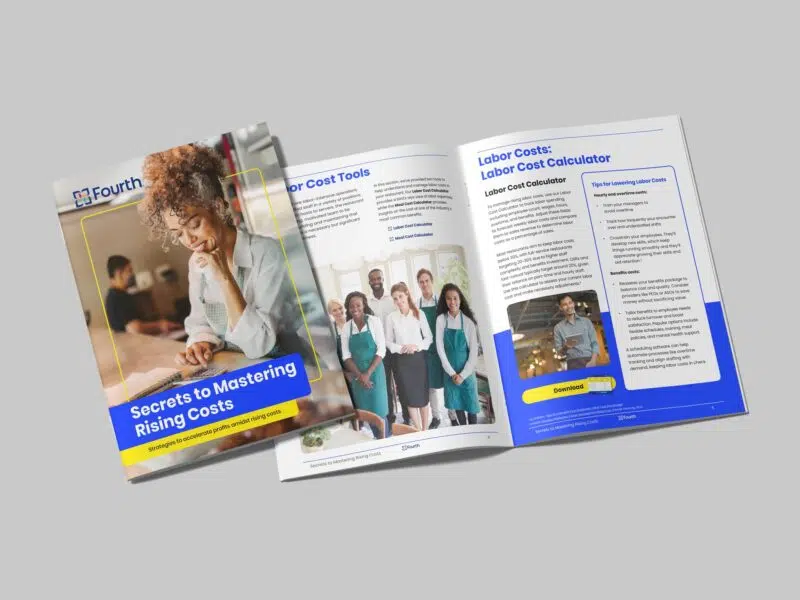
Understanding your hiring costs relative to industry benchmarks helps identify areas for improvement and optimize recruiting efficiency.
Trying to understand the results of your Hiring Cost Calculator? AI can help. Upload your data into an AI chatbot followed by one of these prompts:
 Recruiting is only half the challenge — retaining employees is just as important. Hospitality turnover averages 74% annually, compared to 12–15% in other industries.
High turnover increases cost-per-hire and disrupts operations. Career development is one of the most cited reasons employees stay longer, with studies showing that most workers would remain with employers who invest in their growth.
Turnover costs go beyond recruiting expenses. This calculator helps quantify the full impact of employee departures and provides insight into why staff may be leaving.
The results of your calculator is just a number. Use AI to put it into context with these prompts. Paste your data into an AI chatbot followed by:
 Manager retention is critical to long-term success. Experienced managers drive profitability through consistent leadership, operational efficiency, and improved staff and guest satisfaction.
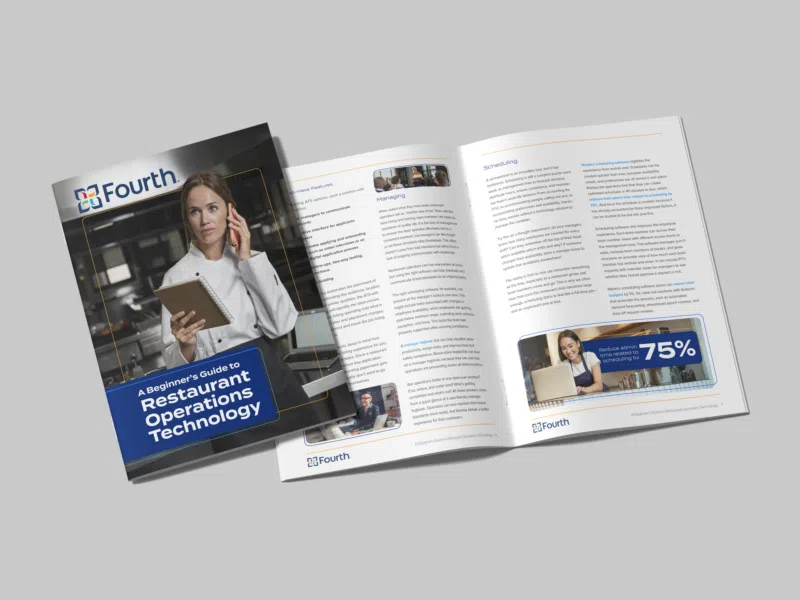
The Manager Upskill Checklist outlines essential skills such as budgeting, forecasting, conflict resolution, inventory control, and local marketing.
With the upskilling checklist in hand, you can enhance its value by using AI to develop training materials or refine the checklist. Try these AI prompts:
Restaurants are built on people. Without a strong team, even the best food or most beautiful location cannot deliver a memorable guest experience.
Investing in recruiting and retention strategies is essential in a tight labor market. The templates and tools in this guide provide a foundation for building and sustaining a high-performing hospitality workforce.
Save time, reduce costs, and increase profitability with Fourth’s intelligent solutions.