- Home
- ›
- Resources
- ›
- White Papers
- ›
- How to Address Restaurant Payroll Challenges
How to Address Restaurant Payroll Challenges
Get your employees paid accurately and on time, every time

Get your employees paid accurately and on time, every time
If you want a surefire way to upset and demotivate your employees, look no further than paying them incorrectly or delaying payment for hours they’ve already worked. Disengaged, demotivated staff means negative effects on customer service, upselling, staff retention, brand reputation and more.
There are many other challenges with payroll that have disastrous effects on your productivity and profitability. For example, when things go wrong with payroll, fixing mistakes takes up valuable time that managers don’t have to spare. What’s more, employers who get it wrong run the risk of non-compliance with federal, state or city rules around minimum wage which can result in fines of up to $10,000. Yet, incorrect payroll processing happens all the time.
Luckily, the right tools can help you tackle these challenges. Low morale, inaccurate paychecks, delays, and frustrations can be a thing of the past.
If there is one thing that’s guaranteed to demotivate staff, it’s not being paid accurately or having to wait longer than they should for the money they’ve worked hard for. The ripple effects on customer service, upselling, staff retention, brand reputation, and more are obvious.
If things go wrong, fixing mistakes can take up valuable time that managers don’t have. What’s more, employers who get it wrong run the risk of non-compliance with federal, state, or city rules around minimum wage, which can result in fines of up to $10,000.
Payroll in any industry can be hard to get right due to various federal, state, and local regulations. However, restaurants face additional complexity due to industry-specific regulations and the unique nature of hospitality staffing.
Employers must ensure employees are paid for all time worked, including time spent changing into uniforms or participating in debriefs. Biometric time and attendance systems help ensure accurate clock-in and clock-out times are captured and passed to payroll.
For tipped employees, compliance with state-specific tip credit rules is essential. This includes maintaining detailed records of tips received to ensure minimum thresholds are met. Integrated payroll and tip-management systems reduce the risk of errors and ensure tips and service charges are distributed correctly.
Spread-of-hours laws require additional compensation when an employee’s total work span exceeds 10 hours in a single day. For example, an employee working split shifts across a long day may be entitled to extra pay beyond their hours worked.
Integrated scheduling and payroll systems ensure these additional payments are not missed and alert managers when schedules trigger spread-of-hours penalties.
Predictive scheduling laws require employers to provide written schedules in advance. Originating with Oregon’s Fair Work Week Act, these rules require schedules to be published seven days ahead, increasing to 14 days.
Restaurants must rely on accurate forecasting using historical trends, events, weather, and machine learning to build reliable schedules. Staffing should reflect actual service activity rather than simple sales or cover metrics to maximize revenue and service quality.
The Tax Cuts and Jobs Act of 2017 introduced changes that increased take-home pay for many workers but also created new payroll complexities for employers.
Restaurants must stay informed of ongoing legislative changes and ensure payroll providers can keep pace with evolving requirements.
Beyond compliance, payroll complexity is driven by the nuances of hospitality operations. Restaurants need systems that can manage multiple roles, variable pay schedules, and temporary labor.
Choosing payroll providers experienced in the hospitality sector ensures both systems and support teams understand these unique challenges.
Outsourcing payroll helps operators ensure accuracy, limit liability, and reclaim time for revenue-driving activities. It removes the burden of tax filing, compliance, and regulatory reporting.
While payroll outsourcing alone does not cover full HR management or benefits administration, it delivers major time savings and reduces legal risk.
Effective payroll management is essential for compliance and employee trust. Given the complexity of hospitality payroll, restaurants must rely on specialized software and professional expertise to ensure accuracy and timeliness.
Integrated payroll solutions can transform payroll from an administrative burden into a strategic business asset.
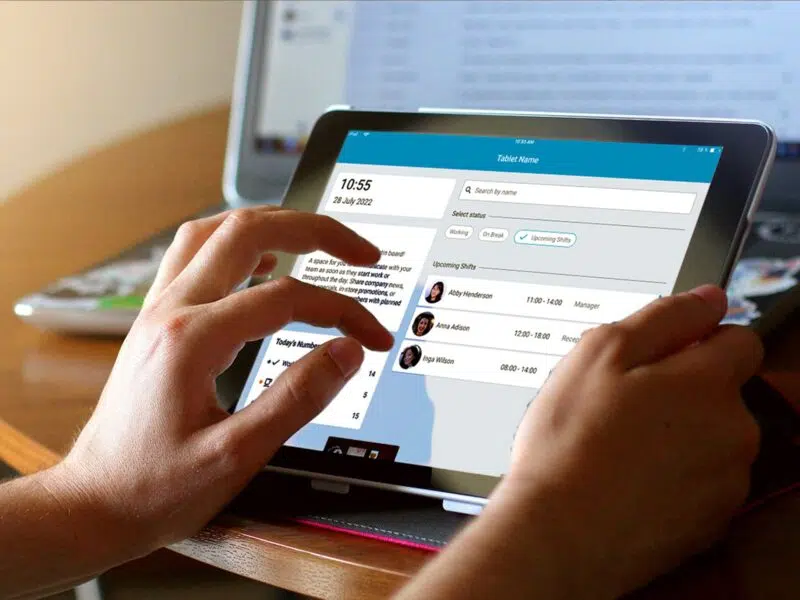
Fourth’s cloud-based workforce management platform is built specifically for the hospitality sector. It supports employee self-service, scheduling, engagement, and manager approvals through mobile-enabled tools.
The platform supports most of the employee lifecycle and integrates seamlessly with best-of-breed partners through single sign-on, giving employees one consistent experience.
HotSchedules, now powered by Fourth, delivers end-to-end technology and services for the restaurant and hospitality industries. Its workforce and inventory management solutions, combined with advanced analytics, help operators control costs, scale profitability, improve engagement, and maintain compliance.
Save time, reduce costs, and increase profitability with Fourth’s intelligent solutions.