Driving Profit with AI in Your Restaurant Operations
The restaurant industry is in a crisis of profitability. According to the National Restaurant Association, 98% of operators say higher labor costs are an issue in their restaurant. Meanwhile, US consumer price index data tracked a 25.8% increase in food costs from 2020 to 2024.
To thrive in this climate, restaurant operators are increasingly embracing the transformative power of artificial intelligence. AI is giving restaurant operators the ability to control costs, grow sales, and empower managers.
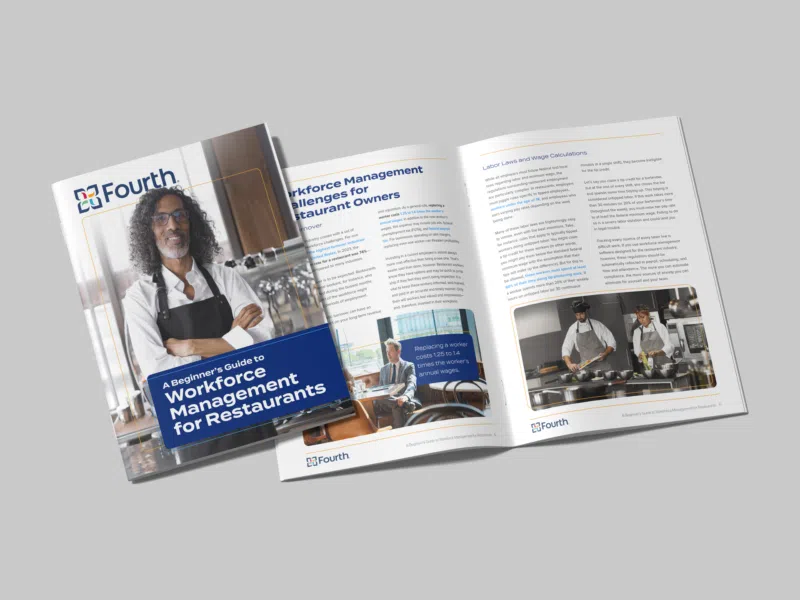
Download this industry report to learn about how you can use AI to maximize profitability even in challenging times.
Maintaining profitability in the restaurant industry is becoming increasingly difficult. According to the National Restaurant Association, 98% of restaurant operators say higher labor costs are an issue, while U.S. CPI data shows food costs have risen 25.8% between 2020 and 2024.
With labor and food costs accounting for roughly 60% of total expenses, inflation is putting significant pressure on margins. Price increases impact demand, and many cost-conscious consumers are reducing dining frequency.
Restaurant managers are under pressure to control costs, maintain service standards, retain staff, and keep prices competitive. Many are overwhelmed and in need of better decision-making tools.
Artificial Intelligence (AI) is emerging as a transformational solution—helping operators control costs, grow sales, and empower managers. AI is shifting from an experimental technology to a strategic driver of profitability.
AI is not about replacing managers. It’s about enhancing their capabilities by providing better forecasts, recommendations, and insights so they can focus on leadership and guest experience.
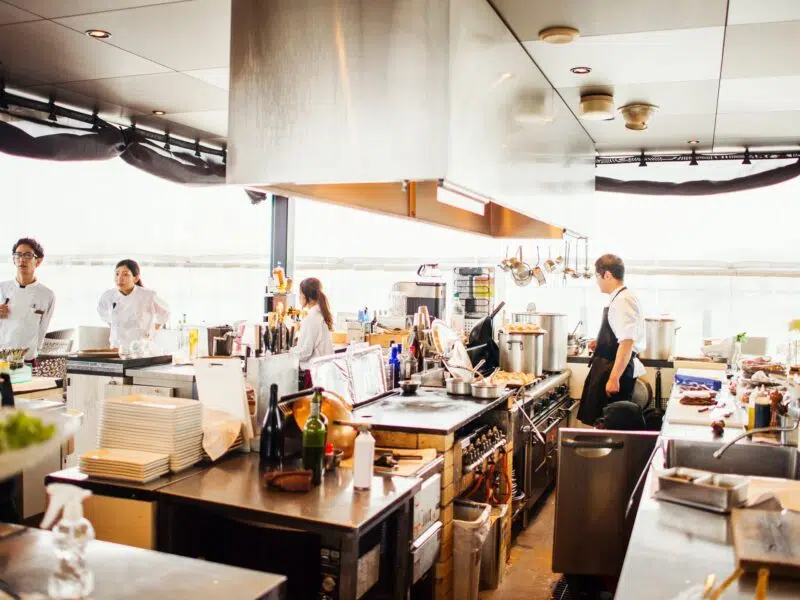
Restaurant operations involve countless real-time decisions every day—from scheduling labor to ordering inventory and preparing food. Demand fluctuates constantly, requiring ongoing adjustments.
Customer behavior follows patterns, making it relatively predictable. AI excels at learning from these patterns to produce forecasts and recommendations that often outperform human judgment alone.
A McKinsey report suggests AI-driven forecasting could reduce food waste by up to 30% across the food and beverage industry.
Many critical decisions are made at the corporate or regional level, including labor rules, purchasing policies, and resource deployment. AI can analyze data across all locations to provide real-time performance insights and identify where corrective action is needed.
AI can continually refine labor rules and operational policies to maximize profitability across different restaurant formats and locations.
AI can act as a constant companion for managers—monitoring historical sales, promotions, weather, and seasonal trends to recommend the next best action in real time.
AI forecasting helps prevent overspending on labor and identifies optimal inventory levels, reducing waste while improving service and profitability.
AI labor forecasting ensures staffing levels match demand by analyzing data such as weather, promotions, seasonality, and historical sales.
Managers must balance overstaffing—which increases labor costs—and understaffing—which hurts sales and guest experience. AI helps predict demand spikes and optimize schedules, making managers more efficient and confident.
AI predicts precise inventory needs, reducing over-ordering and under-ordering. It can identify patterns such as recurring over-purchasing or frequent stock-outs.
Reducing food waste alone can save restaurants up to $8 for every $1 invested, according to the National Restaurant Association.
AI is transforming recruitment by optimizing where and when job ads are placed. Restaurants can significantly reduce cost per hire by targeting candidates at the right time.
One operator reduced sourcing costs by 90% by using AI to adjust job ad bids based on candidate search behavior.
AI provides real-time KPIs such as sales-to-labor ratios and sales per labor hour, enabling faster and more accurate decisions.
By eliminating manual data analysis, managers can focus on guest experience and employee engagement, improving retention and service quality.
AI analyzes menu sales and ingredient availability to recommend new dishes or modifications to existing items. This accelerates menu development while preserving the human creative touch.
Building AI solutions internally requires significant investment in data science talent, infrastructure, and ongoing model training—often impractical for restaurants with thin margins.
Operators recommend buying purpose-built AI solutions from trusted vendors before considering in-house development.
Existing vendors should be evaluated on how they are incorporating AI into their roadmaps. AI must address both front-of-house and back-of-house operations.
Adoption requires communication, trust, and support. Managers need to see results over time to build confidence in AI-generated recommendations.
AI enhances people rather than replacing them. Managers still apply local knowledge and judgment, refining AI forecasts for better outcomes.
Operators should begin with a single AI use case—such as labor or inventory forecasting— to demonstrate value and build trust before expanding.
AI effectiveness depends on clean, accurate data. The more high-quality data flowing through the system, the smarter the AI becomes.
Clear policies help managers understand when to follow AI recommendations and when to apply human judgment.
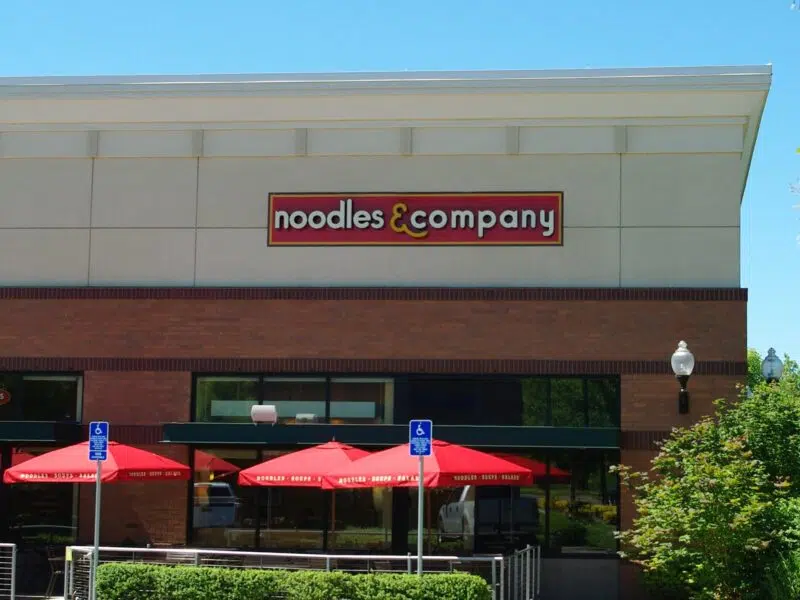
AI-driven labor forecasting helped Noodles & Company optimize staffing across 468 locations, resulting in a $4 million reduction in labor spend and a 20% improvement in forecasting accuracy.
AI enables powerful data-driven decisions that streamline operations, reduce costs, and increase profitability.
Restaurants implementing AI are seeing benefits including reduced food waste, improved scheduling, lower recruiting costs, and higher sales.
By treating AI as a tool that empowers managers rather than replaces them, restaurants can thrive in an increasingly complex operating environment.
Fourth’s AI capabilities empower managers with real-time actions and optimize operations across all locations.
Save time, reduce costs, and increase profitability with Fourth’s intelligent solutions.