- Home
- ›
- Resources
- ›
- White Papers
- ›
- Leveraging Technology to Offset Rising Labor Costs
Leveraging Technology to Offset Rising Labor Costs
How Menu and Purchasing Excellence Can Increase Your Restaurant’s Bottom Line

How Menu and Purchasing Excellence Can Increase Your Restaurant’s Bottom Line
The largest expense for any restaurant is labor — and it’s on the rise. With laws increasing minimum wage, growing healthcare costs, and other factors, it can seem impossible to get, and stay, ahead.
The purchasing and inventory side of your business is full of opportunities to reduce administration and increase efficiencies. From engineering your menu and optimizing purchasing, to managing inventory and easy-to-understand, up-to-date reports, the right solution can help grow your bottom line.
This guide outlines five key ways to leverage technology solutions to help your restaurant.
With labor costs growing due to increased minimum wage and the rising cost of healthcare, it can seem impossible for your restaurant to turn a profit.
To operate a lucrative business under these constraints, restaurants must examine opportunities to run more efficiently and explore ways to reduce costs.
The right technology is critical in helping you achieve your goals. Integrated purchase-to-pay and inventory management systems with robust data and analytics functionality help save time and money while providing visibility into important trends.
This guide outlines five key ways to leverage technology solutions to remove unnecessary administrative work and run more profitably — from menu engineering and purchasing optimization to inventory management and real-time reporting.
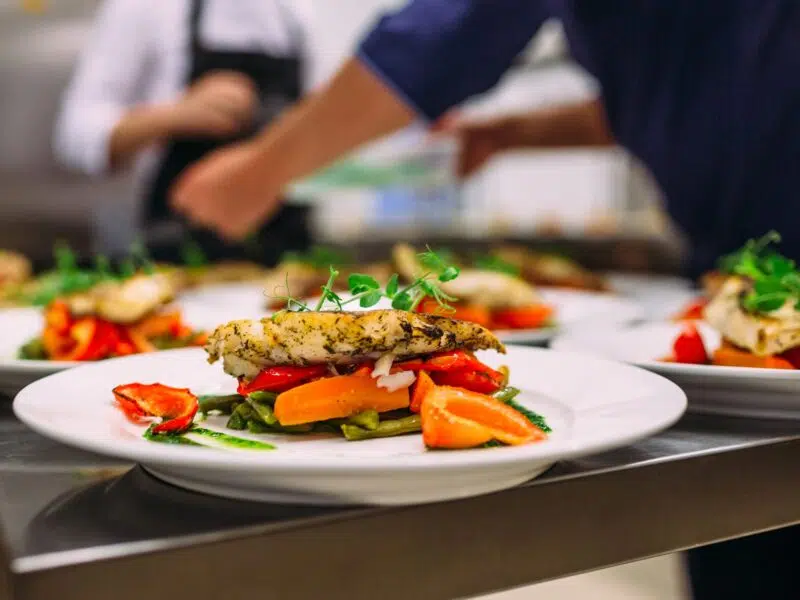
It’s vital that the food you serve and the menus you create deliver profitability. Menu engineering studies the profitability and popularity of menu items with the goal of increasing profit per guest.
When used effectively, menu engineering provides insight into expense, waste, sales, and profitability, driving informed changes or replacements of underperforming items.
Dedicated recipe and menu engineering software allows operators to test ideas in a trial environment while automatically updating costs and nutritional information.
Purchasing reflects your brand. Restaurants must order high-quality items, on time, and within agreed pricing terms.
After labor, food and beverage is the highest cost on a hospitality P&L. Accurate inventory management ensures you know what has been bought, sold, returned, and wasted.
Linking stock accounting to invoices and credits provides precise cost of goods sold, profit, and revenue figures.
Choosing the right vendors and managing ongoing relationships is critical to cost control and consistency.
The U.S. Department of Agriculture estimates that 30–40% of the food supply is wasted. In restaurants, waste occurs through spoilage, overproduction, and uneaten food.
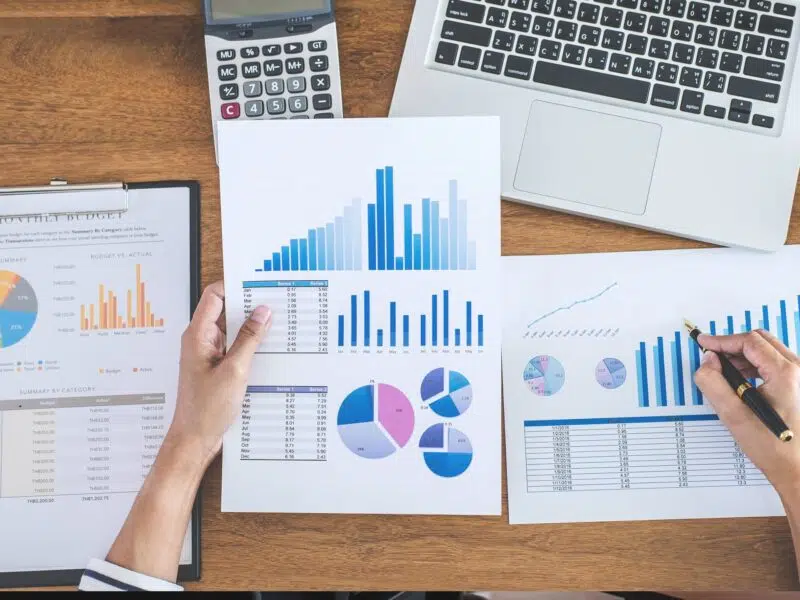
Analytics-driven insight allows operators to identify waste trends and take corrective action, directly improving profitability.
Understand exactly what food is being wasted and why. Identify trends that point to portion sizing, over-ordering, or menu adjustments.
Running a restaurant is demanding. Improving purchase-to-pay and inventory processes enables profitability gains without compromising guest experience.
Leveraging technology to streamline operations increases efficiency, reduces waste, and strengthens the bottom line.
Save time, reduce costs, and increase profitability with Fourth’s intelligent solutions.